

Corporate Social Responsibility (CSR) has become an essential part of modern business strategy. Organizations today are expected to contribute not only to economic growth but also to social and environmental development. With evolving regulations and increased public awareness, businesses are actively investing in impactful CSR initiatives that create long-term value for communities and stakeholders alike. Understanding csr projects, the list of csr activities, and csr in company law is crucial for companies seeking compliance and sustainable growth.
CSR is no longer viewed as a voluntary effort alone. It has evolved into a structured and strategic approach that aligns business objectives with social impact. Companies across industries are designing innovative programs to address challenges related to education, healthcare, environment, rural development, women empowerment, and livelihood generation.
What are CSR Projects?
CSR projects are organized initiatives undertaken by companies to contribute positively to society while maintaining ethical business practices. These projects are designed to address social, economic, and environmental concerns in a systematic and measurable manner.
The success of CSR projects depends on proper planning, implementation, and evaluation. Businesses often partner with non-governmental organizations, social enterprises, and professional consultants to ensure effective execution. These partnerships help companies identify community needs and create sustainable solutions.
CSR projects can range from small-scale community programs to large nationwide initiatives. Common examples include building schools, supporting healthcare facilities, skill development programs, environmental conservation efforts, and disaster relief support. Such initiatives not only improve community welfare but also strengthen brand reputation and stakeholder trust.
Organizations that approach CSR strategically often experience enhanced employee engagement, improved public image, and stronger customer loyalty. This demonstrates that social responsibility and business growth can work together effectively.
Understanding the List of CSR Activities
The list of csr activities covered under regulatory frameworks provides businesses with guidance on eligible areas for investment. Companies must understand these categories to ensure compliance and maximize social impact.
Some commonly recognized CSR activities include:
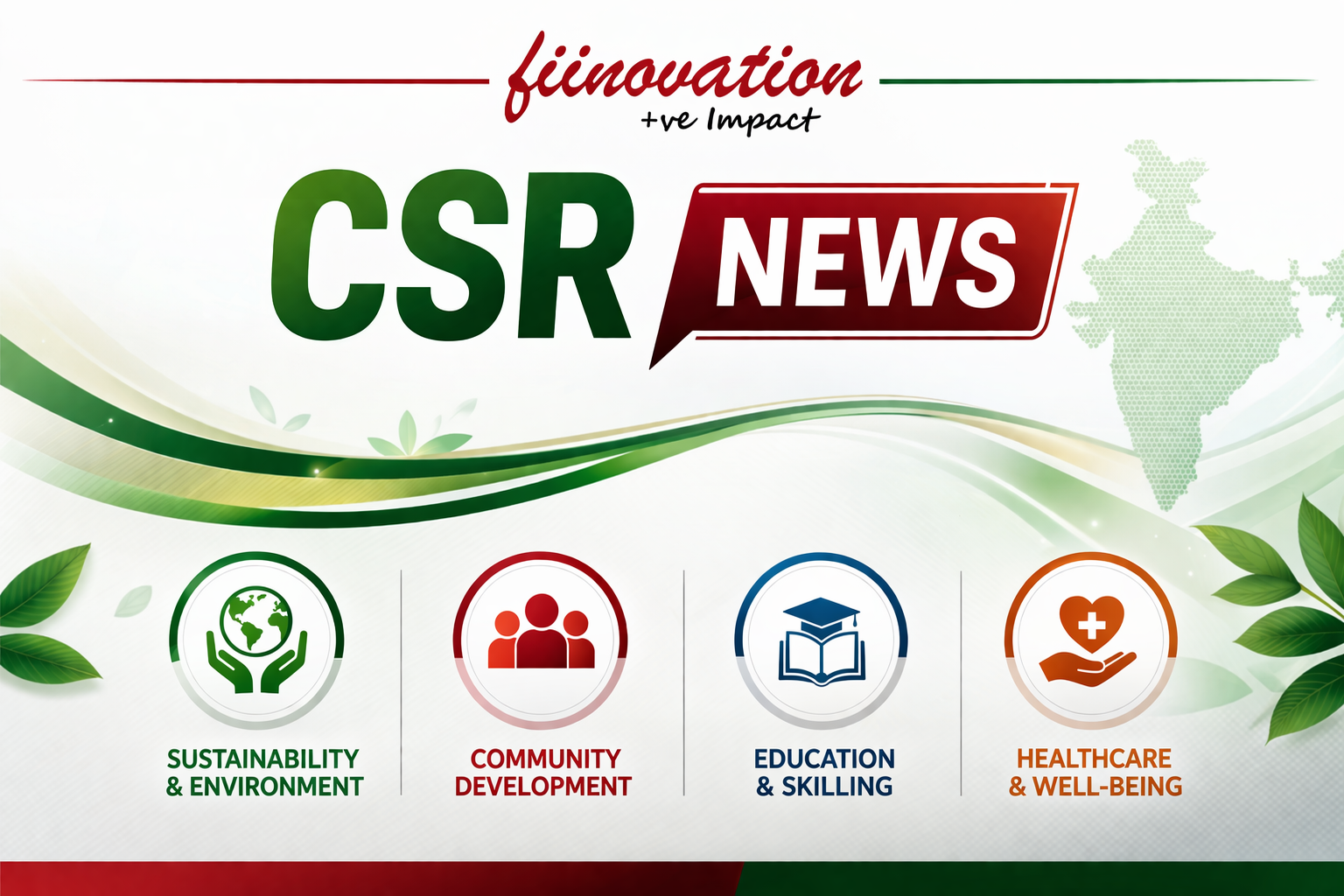
Promotion of education and vocational skills
Healthcare and sanitation initiatives
Gender equality and women empowerment programs
Environmental sustainability and conservation projects
Rural and community development
Poverty eradication and livelihood enhancement
Support for sports, arts, and culture
Disaster management and rehabilitation efforts
Technology-driven social innovation programs
This list of csr activities encourages businesses to contribute in areas where they can create meaningful and measurable impact. Companies are increasingly selecting projects aligned with their core competencies. For example, healthcare companies may support medical outreach programs, while technology firms may invest in digital literacy and skill development.
Choosing the right CSR activities requires detailed assessment and stakeholder consultation. Companies should evaluate community requirements, available resources, and long-term sustainability before finalizing initiatives.
CSR in Company Law and Regulatory Compliance
One of the most significant developments in corporate responsibility has been the formal inclusion of csr in company law. In India, CSR gained legal importance with provisions under the Companies Act, making social responsibility a regulated corporate function for eligible companies.
The concept of csr in company law establishes mandatory CSR obligations for certain companies based on financial thresholds. Businesses meeting specified criteria are required to allocate a portion of their profits toward CSR initiatives and report their activities transparently.
These legal provisions have transformed CSR from a philanthropic practice into a compliance-driven and strategically managed business function. Companies must establish CSR committees, formulate policies, monitor implementation, and disclose spending details.
Compliance with csr in company law requires careful documentation and transparent reporting mechanisms. Organizations must ensure that funds are directed toward approved activities and that outcomes are measured effectively. Failure to comply may lead to regulatory concerns and reputational challenges.
The legal framework has also encouraged companies to adopt a more accountable and impact-oriented approach. Rather than one-time donations, businesses now focus on long-term programs that produce sustainable social benefits.

Importance of Strategic CSR Consulting
Managing CSR programs can be complex, especially when companies must balance legal compliance, stakeholder expectations, and measurable impact. This is where experienced CSR consulting firms play a critical role.
Professional consultants support businesses in identifying suitable projects, developing implementation strategies, monitoring progress, and ensuring compliance with legal requirements. They provide expertise in project planning, impact assessment, reporting, and partnership development.
Among recognized names in this space, fiinovation csr consultants are often associated with structured CSR planning and implementation support. Their role reflects the growing demand for professional guidance in navigating the evolving CSR ecosystem.
The involvement of fiinovation csr consultants and similar advisory organizations helps businesses improve efficiency and maximize the value of their social investments. Companies increasingly rely on consultants to bridge the gap between corporate objectives and community development goals.
Building Sustainable Impact through CSR
CSR is ultimately about creating shared value. Businesses that invest thoughtfully in CSR projects contribute to societal development while strengthening their own organizational identity and resilience.
A clear understanding of csr projects, the approved list of csr activities, and the legal framework governing csr in company law enables companies to develop responsible and impactful programs. Strategic partnerships and professional guidance, including support from fiinovation csr consultants , can further enhance program effectiveness.
As stakeholder expectations continue to evolve, CSR will remain a defining aspect of responsible corporate leadership. Companies that embrace this responsibility proactively are better positioned to achieve sustainable growth while making a lasting difference in society.

Write a comment ...